
How to Use the Means Test to Identify High-Value Chapter 13 Clients Before You Spend a Dollar on Their Case (June 2026)

The means test determines whether someone qualifies for Chapter 7 or gets routed into Chapter 13. What gets missed is that the same calculation sets the payment floor for above-median Chapter 13 debtors. Quote the case without running feasibility math first and you risk a trustee objection at month nine because the debtor's Schedule J leaves no room for the plan payment. The fix is treating the means test as the first gate in a multi-step screen: calculate current monthly income from the six-month lookback, compare it against the 2026 income limits, run Form 122C-2 deductions, project the required plan payment, check it against Schedule I and J budget capacity, and confirm the case clears the feasibility threshold before the retainer clears. This works whether you're running a chapter 7 means test calculator florida, a chapter 13 calculator ohio, a means test bankruptcy calculator, or any state-specific means test chapter 7 texas structure. Below, we cover the calculation mechanics, the 2026 income thresholds, the three confirmation tests every plan must pass, and the intake checkpoints that separate a case you can win from one that collapses eighteen months in.
TLDR:
- Run the means test before the retainer conversation to catch Chapter 13 cases disguised as Chapter 7 leads.
- The six-month lookback window uses gross income from all sources except Social Security; bonuses and irregular pay can flip a borderline debtor across the median line.
- Below-median debtors commit to 36-month plans; above-median debtors commit to 60 months with disposable income calculated under Form 122C-2.
- Chapter 13 discharge rates run 33 to 40 percent, with most failures tied to debtors who could not carry the payment over five years.
- Glade automates the screening math: clients upload paystubs, AI extracts line items, and the Plan Calculator pre-populates median status, required unsecured payout, and payment capacity before you sign the engagement letter.
What the Bankruptcy Means Test Actually Measures (And Why It Matters for Chapter 13 Cases)
The means test compares a debtor's average household income over the prior six months, annualized, against the state median for their household size. The U.S. Trustee Program publishes the income figures and allowable expense standards feeding Form 122A (Chapter 7) and Form 122C (Chapter 13).
For Chapter 13, the result sets the case floor:
- Below-median debtors get a 36-month commitment and use Schedule I/J for disposable income.
- Above-median debtors get 60 months and calculate projected disposable income under Form 122C-2's deduction framework.
- Unsecured creditors must receive at least what they would in a hypothetical Chapter 7 liquidation.
Run the numbers before the retainer conversation. A client who looks like a clean Chapter 7 but flunks the median check is a Chapter 13 with a payment plan you have not sized, and a disposable income calculation producing a five-figure monthly obligation is a feasibility problem you do not want to find at month four.
How to Calculate Current Monthly Income Using the Six-Month Lookback
The lookback window is the six full calendar months before the filing month. File March 15, 2026, and your window runs September 1, 2025 through February 28, 2026. The partial filing month does not count.
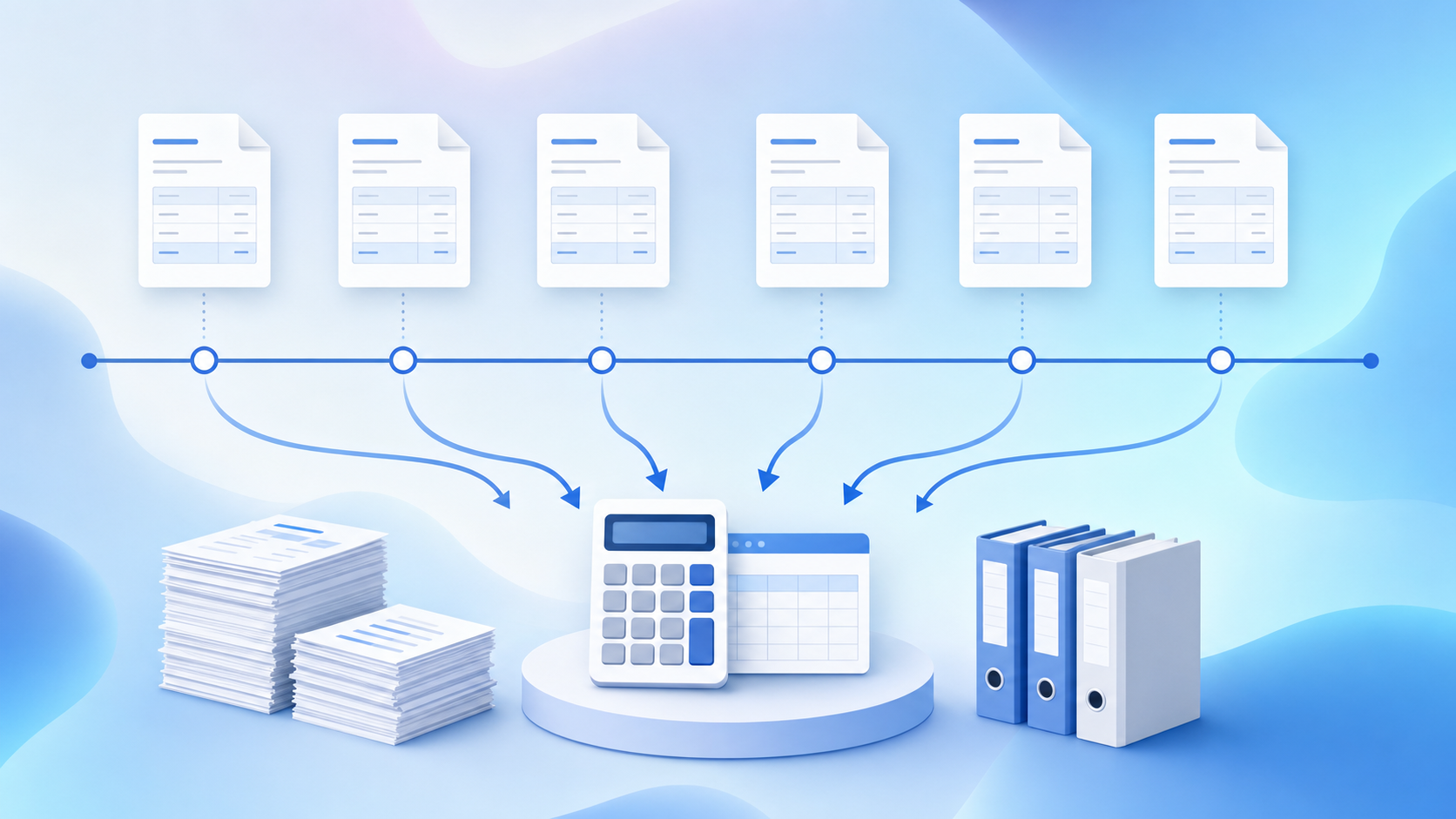
Pull gross income from every source: wages, self-employment net receipts, rental income, unemployment, regular contributions from non-filing household members, pension distributions. Social Security is excluded. Total it, divide by six, multiply by twelve. That annualized figure gets compared to the state median.
Clients arrive with W-2 totals or bank-deposit summaries that fall outside the window. Ask for every paystub inside those six months before you quote a strategy. A December bonus or missing overtime can flip a borderline debtor across the median line.
2026 Median Income Limits by State and Household Size
The U.S. Trustee Program refreshes median figures twice yearly. Current numbers apply to cases filed on or after April 1, 2026. A one-person Texas household sits near $65,000; a four-person California household clears $135,000. Pre-screening on these thresholds before the consult tells you which leads are Chapter 7 candidates and which are presumptively Chapter 13.
Household Size | Texas | Florida | California | Georgia |
|---|---|---|---|---|
1 | ~$65,000 | ~$66,000 | ~$78,000 | ~$63,000 |
2 | ~$84,000 | ~$82,000 | ~$102,000 | ~$80,000 |
4 | ~$112,000 | ~$103,000 | ~$135,000+ | ~$104,000 |
Pull the official table from justice.gov/ust for the filing date. Borderline cases need the precise figure.
Chapter 7 vs. Chapter 13: What the Means Test Result Tells You About Case Strategy
The fork shows up the moment you finish the median comparison. Below-median routes toward Chapter 7: faster discharge, lower fee, shorter engagement. Above-median runs the full Form 122A-2, or files Chapter 13 when the presumption of abuse fires.
Chapter 13 has no income ceiling. A surgeon earning $400,000 can file it; the means test only determines plan length. Below-median debtors commit to 36 months; above-median commit to 60. Consumer Chapter 13 filings increased 6 percent in calendar year 2025 over 2024.
For pricing the consult, treat the median check as your first underwriting question. Chapter 7 is a flat-fee, one-and-done case. Chapter 13 is a five-figure engagement with trustee oversight and post-confirmation work for years.
The Disposable Income Calculation for Above-Median Debtors
Once a client clears the median, Form 122C-2 governs. Start with current monthly income, then subtract IRS National Standards (food, clothing, personal care, out-of-pocket health), Local Standards (housing, utilities, transportation by county), secured debt payments averaged over 60 months, priority debts averaged the same way, plus deductions like court-ordered payments and term life insurance.

The result is monthly disposable income. Use it as a triage signal:
- Negative or near-zero: presumption of abuse may not apply, Chapter 7 stays viable.
- Modest positive: Chapter 13 with a manageable plan payment.
- Several thousand monthly: feasibility risk. Clients with high paper disposable income but real-world budget gaps default out around month 18.
Run the deduction stack at the consult, not at petition prep.
Chapter 13 Plan Length and Payment Requirements: How the Means Test Sets the Floor
For above-median debtors, monthly disposable income from Form 122C-2 sets the statutory floor for unsecured creditor payments over 60 months. Multiply by 60 to get the minimum distribution to general unsecured claims, stacked on top of secured arrears, priority taxes, domestic support arrears, and trustee fees.
That stack is your case profitability check. Before drafting, confirm the client's budget can carry:
- The disposable income floor to unsecured creditors
- Cure payments on mortgage and vehicle arrears
- Priority tax and DSO arrears amortized over the plan
- Trustee commission (up to 10%)
- Ongoing post-petition obligations outside the plan
If the math does not pencil at intake, it will not pencil at confirmation.
The Three Confirmation Tests Every Chapter 13 Plan Must Pass
Confirmation under Section 1325 turns on three independent tests. Miss one and the trustee objects, the judge denies, and you have done five months of work for a dismissal.
- Feasibility (1325(a)(6)): the debtor must make every payment and comply with the plan. Courts read Schedule J against the proposed payment. A negative budget after the plan payment is dead on arrival.
- Best interest test (1325(a)(4)): unsecured creditors receive at least what Chapter 7 liquidation would yield. Non-exempt equity in real estate, vehicles, or accounts sets the floor.
- Projected disposable income (1325(b)): above-median debtors commit all projected disposable income for 60 months.
Score each at intake. One failure kills the case.
Common Means Test Mistakes That Waste Attorney Time and Client Money
The errors that kill cases mid-stream trace back to intake math nobody pressure-tested. Catch them at the consult, not at the 341.
- Household size miscount: include everyone the debtor financially supports, going beyond tax dependents alone. A non-filing spouse counts; a live-in adult child the debtor supports counts.
- Including Social Security in current monthly income: it stays out of the Form 122 calculation. Disability and certain veterans' benefits are excluded too.
- Using last month's pay instead of the six-month lookback: a recent raise or layoff distorts the annualized figure.
- Ignoring irregular income: bonuses, quarterly commissions, seasonal overtime all land in the window and must be averaged in.
- Skipping the exemption check: debtors with primarily non-consumer debt and qualifying disabled veterans or active-duty service members may be exempt entirely.
How to Screen Chapter 13 Clients for Plan Feasibility Before You File
Build a one-page intake screen that runs the math in order:
- Means test result (median check plus Form 122C-2 if above).
- Required monthly plan payment: means-test floor to unsecured, secured arrears amortized, priority debt amortized, trustee commission.
- Schedule I minus Schedule J: actual take-home minus actual living expenses.
- Delta between step 2 and step 3.
If the delta is negative or razor-thin, the case will not make it five years. Chapter 13 discharge rates run 49 percent for cases closed in 2024, with most failures tied to debtors who could not carry the payment. Decline or restructure at intake, not at month eighteen.
Glade AI: Automated Means Test Calculation and Chapter 13 Plan Feasibility Analysis in One System
The screening math runs on autopilot inside Glade. Clients upload paystubs through the portal, AI extracts line items into the Income Organizer, and the Means Test agent runs on that data, with results linked back to the Pay Organizer for review.
Open any Chapter 13 questionnaire and the Plan Calculator loads pre-populated. Two cards do the feasibility work:
- Plan Requirements: median status, 36 or 60 month length, required unsecured payout with means-test versus liquidation breakdown, and a binding-row indicator showing which floor controls.
- Payment Capacity: available monthly from Schedule I minus J.
Multiply Payment Capacity by plan term, compare against Required Unsecured Payout plus secured and priority debt. Negative delta means reshape the case before the engagement letter goes out.
April 1, 2026 U.S. Trustee median figures are loaded in production. All 90 federal bankruptcy districts are supported, with hardcoded district configs for four courts covering trustee fee percentage, no-look cap, and treatment rules. All 90 federal bankruptcy districts are supported, with hardcoded configs for S.D. Florida, M.D. Florida, M.D. North Carolina, and S.D. Ohio covering trustee fee percentage, no-look cap, and treatment rules.
Run the Means Test and Feasibility Screen Before the Retainer Conversation
The median comparison sets plan length, but projected disposable income determines whether the case survives five years. Most Chapter 13 failures come from debtors who couldn't carry a payment nobody stress-tested at intake. Build your one-page feasibility screen before the retainer conversation, or you'll spend months on a case that was dead before it started. Request a demo to see how Glade runs the means test and flags payment-capacity gaps at the consult stage.
FAQ
Can I use a free means test calculator to screen Chapter 13 clients before the consult?
Free online means test calculators exist, but most lack multi-debtor support, real-time IRS standard updates, and state-specific exemption calculations needed for accurate Chapter 13 feasibility screening. For intake-level underwriting, you need a calculator that runs the six-month income lookback, pulls current median figures for your filing district, and models both the Form 122C-2 disposable income floor and the liquidation-value test simultaneously.
What's the difference between the Chapter 7 means test and the Chapter 13 means test?
The Chapter 7 means test (Form 122A) determines eligibility: whether a presumption of abuse applies that would force dismissal or conversion. The Chapter 13 means test (Form 122C) determines plan length and the monthly disposable income floor unsecured creditors must receive. Both use the same six-month income lookback and compare annualized current monthly income against state median, but Chapter 7 asks "can this debtor file at all?" and Chapter 13 asks "how much must they pay over how many months?" Above-median debtors face a 60-month commitment in Chapter 13; below-median get 36 months and use Schedule I/J instead of Form 122C-2 for disposable income.
Chapter 13 calculator vs. manual spreadsheet for payment plan feasibility?
A Chapter 13 calculator handles secured arrears amortization, trustee fee computation, priority debt averaging, and disposable income deduction stacks across 60-month timelines without manual formula errors. Spreadsheets break when you update one cell and forget to propagate the change to linked calculations: arrears schedules, interest rates, or claim treatment rules. Glade's Chapter 13 Plan Calculator runs server-side validation at finalization, freezes calculation-engine versions for audit trails, and updates automatically when underlying case data changes, eliminating the manual-refresh cycle and version-drift risk that makes spreadsheets fail at scale.
What are the Chapter 7 income limits for 2026?
The U.S. Trustee Program publishes updated median income figures twice yearly; current thresholds apply to cases filed on or after April 1, 2026. For a single-person household, Texas sits near $65,000, Florida around $66,000, California approximately $78,000, and Georgia near $63,000. A four-person household in California exceeds $135,000, while Texas and Florida fall between $103,000 and $112,000. Pull the official table from justice.gov/ust for your filing date. State medians shift, and borderline cases require the precise figure to determine whether the debtor qualifies for Chapter 7 or must file Chapter 13 instead.
Should I run the means test before signing the Chapter 13 retainer or after?
Run it before. A client who looks like a clean Chapter 7 case but flunks the median check is a Chapter 13 with a five-year payment plan you have not priced, and an above-median debtor with high Form 122C-2 disposable income but a negative Schedule J budget is a feasibility problem you will hit at month eighteen instead of at intake. The means test tells you plan length, minimum unsecured payout, and whether projected disposable income matches the client's actual ability to pay: screening metrics you need before quoting a fee structure or committing to a multi-year engagement.